 +44 7779 458088



Components
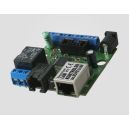
Certainly! Here's a brief overview of server components:
1. Processors (CPUs):
- Powerful CPUs determine the server's processing capabilities.
- Multi-core processors enhance multitasking and parallel processing.
2. Memory (RAM):
- High-capacity RAM ensures smooth operation and quick data access.
- ECC (Error-Correcting Code) RAM enhances data integrity.
3. Storage Solutions:
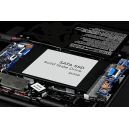
- HDDs (Hard Disk Drives) provide cost-effective storage.
- SSDs (Solid State Drives) offer faster data access and improved reliability.
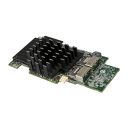
- RAID configurations enhance data redundancy and performance.
4. Motherboard:
- The central circuit board connects and allows communication between components.
- Features include multiple PCIe slots, USB ports, and network interfaces.
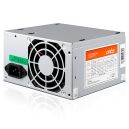
5. Power Supply Unit (PSU):
- Converts electrical power to meet the server's requirements.
- Modular PSUs offer flexibility and efficient power distribution.
6. Cooling System:
- Fans, heatsinks, and liquid cooling systems prevent overheating.
- Ensures optimal temperature for components to function reliably.
7. Networking Components:
- Network Interface Cards (NICs) facilitate network connectivity.
- Switches and routers manage data traffic within the server infrastructure.
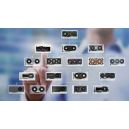
8. Graphics Processing Unit (GPU):
- Accelerates graphics rendering and assists in complex computations.
- Essential for graphics-intensive applications and parallel processing.
9. Chassis:
- The physical structure that houses and protects server components.
- Available in rack-mounted or tower form factors.
10. Connectivity Ports: - USB, HDMI, Ethernet, and other ports for external device connection. - Essential for server management and peripheral integration.
11. Remote Management: - Tools like BMC (Baseboard Management Controller) enable remote server monitoring and control. - IPMI (Intelligent Platform Management Interface) enhances server management.
12. Expansion Cards: - Additional cards for specific functionalities like RAID controllers or specialized interfaces. - Enhances server capabilities based on specific needs.
Understanding and optimizing these components contribute to building a powerful, reliable, and efficient server infrastructure.
Sidebar Subcategories Sidebar Subcategories

My account
Server Shopping
United Kingdom
General info
About us footer
Server Shopping LTD is a Premium IT Consultancy Company based in England
We provide a range of IT Equipment and services, Like IT Consultancy, digital marketing and web design services.
©2004 - 2026 ServerShopping.com.